

Value-added: how art advisers help collectors
5 October 2020
France’s greatest race: the Prix de L’Arc de Triomphe
8 October 2020Something Extra
The world’s luxury car-makers are increasingly using an extensive range of additional features to make their offerings stand out from the crowd
A special dish to hold caviar? A built-in wicker picnic basket? A fibre-optic re-creation of the night sky inside your car’s roof? It is features such as these that are increasingly being offered by leading car manufacturers as they attempt to attract buyers.
Some customers may still be drawn to a car thanks to basics such as the look, engine or performance. These days, however, makers of prestige vehicles are thinking beyond such obvious factors and wondering what else they can do to make their offerings more attractive.


The latest car launches have seen the introduction of some of the most innovative and unique automotive features in history. They range from extreme examples of high technology – such as infra-red after-dark pedestrian detectors – to indulgent luxuries such as a completely leather-covered floor or a stainless steel bonnet.
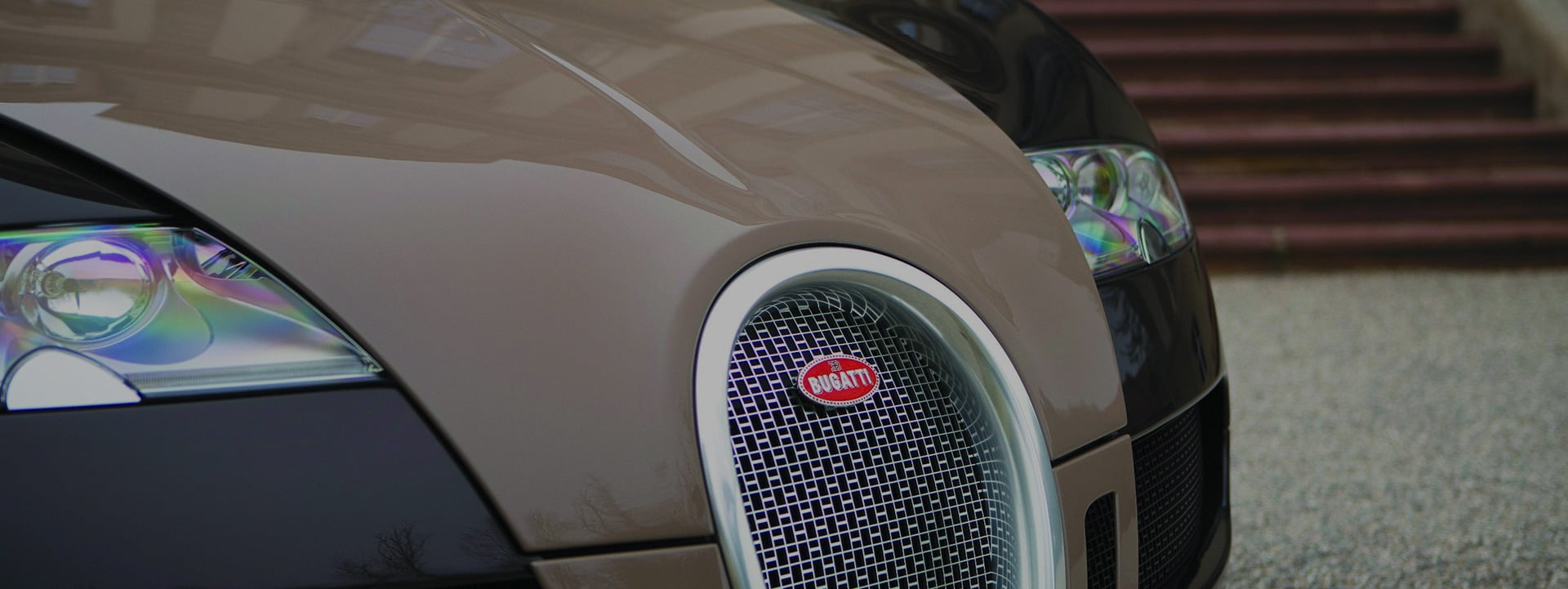
Bugatti’s new special edition Veyron is leading the way in performance and extras. The latest special edition, for example, the exclusive £1.5 million, 253mph L’Or Blanc model, is distinguished by ample use of fine German porcelain on details such as the fuel cap, wheel badges and a caviar tray that sits on the centre console.
The L’Or Blanc represents an evolution from the special Hermès Bugatti launched recently. This featured door handles resembling those of Hermès luggage and a bespoke, hand-made travel bag in the leather-lined boot. As a final thought, the dashboard glove compartment was designed precisely to fit a Hermès wallet.
Other marques provide the opportunity for buyers to express their individuality. The granite trim or golden keys available for some Maybach models may add weight, but do lend an air of exclusivity. And Maybach can also add extras such as a perfume atomiser, a built-in printer, reclining rear seats with massage pads and a fridge with silver champagne flutes.
Rolls-Royce’s Night Vision System can detect the body heat of pedestrians up to 300m away
Maybach’s major rival in the ultra-luxury car market is Rolls-Royce. The British manufacturer, now under the control of BMW, has established an extraordinary range of optional extras, too. These include an individually customisable array of 1,600 fibre optic ‘stars’ in the car’s roof or the facility to have your own initials, family crest or emblem embroidered throughout the interior trim.
Other options include a complete leather floor instead of carpet, a blue illuminated ‘Spirit of Ecstasy’ bonnet statuette, Rolls-Royce pen set in the glovebox or a bespoke wicker picnic hamper in the boot. The cars can also feature mother-of-pearl inlays and handmade jewelry boxes.
Rolls’ latest options list features some extremely hi-tech equipment, too. The ‘Night Vision System’ uses a discreet infrared camera in the grille to detect the body heat of pedestrians up to 300 metres away even in total darkness. At the touch of a button their thermal image is clearly shown on the central control screen, giving drivers plenty of time to slow down and pass safely.


Even that sophisticated innovation is eclipsed by Aston Martin’s latest link with Jaeger-LeCoultre, however. It has created the DBS Transponder Watch, at around £12,500. It’s a very stylish and functional timepiece, but it also has the ability to open and close the doors of your Aston Martin simply by pressing the glass face.
In contrast, Overfinch’s Holland & Holland special Range Rover edition relies on handcrafted features rather than the latest technology. This involves fitting a hand-made wood veneer drinks cabinet and boot-mounted shotgun case complete with engraved metal inlays of gunmaker Holland & Holland’s diamond-shaped logo throughout.
German manufacturer Mercedes, meanwhile, has combined a new engineering concept with a traditional idea to come up with the ‘Airscarf’ feature in its premium open-top vehicles. This heating system uses vents in the seat backs, just below the headrest, to blow hot air onto driver’s and passengers’ necks when the top is down on a cooler day.
Throughout the 1950s and 1960s car buyers were offered some eye-catching oddities – such as atomic bomb warning lights

Other top-end manufacturers are following suit – offering everything from matt paint finishes (Mercedes and BMW) and transparent bonnets (Lamborghini) to leather-covered ventilation slats and coat hangers (Porsche) and double-glazed windows (Mercedes and Audi).
Of course, fitting extras such as these is not necessarily a modern phenomenon. As far back as the 1920s, car manufacturers tried to seduce buyers with a wide range of bolt-on extras such as bells, klaxons and compasses. Some Rolls-Royces even had gun-mounts on the dashboard for tiger shooting in India.
In the 1930s, designers became a little more focused on less extreme add-ons. Some Chevrolets, for example, offered ladies the option of a make-up tray, illuminated mirror and a make-up kit that had been chosen by contemporary film star Mary Pickford.
Throughout the 1950s and 1960s buyers were offered the same mix of essentials – such as radios, clocks and wind-down windows – and eye-catching oddities – such as atomic bomb warning lights or built-in barometers.
By the 1970s, manufacturers seem to have become slightly obsessed with a very odd selection of special features – almost all of which have failed to withstand the test of time.
Car brochures of 40 years ago were punctuated with attempts to seduce customers with weird horizontal speedometer designs, square steering wheels and the infamous and ill-fated eight-track stereo system.
Even though today’s automotive optional extras are more numerous, more varied and more creative, they perhaps still don’t match the strange extremes of the 1970s. This, after all, was the decade when General Motors thought it was a good idea to offer optional tents built into the tailgate of some of its cars… to allow owners to sleep in the boot.
Words: Staff

Throughout the 1950s and 1960s car buyers were offered some eye-catching oddities – such as atomic bomb warning lights
The Optionals
A few years ago a new Mercedes might have been launched with a choice of colours, trim and stereo systems. Today however, buyers of the latest Mercedes SLS AMG luxury supercar have a chance to opt for extras such as having their car body painted matt or even ‘alubeam’ – a new type of paint which ‘shines like liquid metal’. Customers can also select seats that adjust from side to side, a carbon fibre bonnet, a track racing version, an open-top version and even a completely electrically powered version.
This year’s Lamborghini Aventador LP700-4 is not only a breathtaking new all-wheel drive sports car, it demonstrates that the Italian company is offering new realms of what it terms ‘individualisation’. The factory options include a see-through bonnet, matt body paint and a choice of three colours for the brake calipers. But, in addition, Lamborghini is offering the ‘Ad Personam’ programme. It claims that, under this, they will customise the car in any way you want. ‘The only limit is your imagination,’ the company adds.
Meanwhile, Ferrari’s new flagship four-seater, the V12-powered Ferrari FF, launches this year with much fanfare. It’s a chance for the company to match its rivals in offering a huge range of extras. Ferrari’s customisation programme will now allow clients to personalise their cars completely, right down to the stitching on the leather interior, the number of coats of paint, the style of door handles and the shape of exhaust tailpipe.
Ferrari has set up a dedicated space at its Maranello factory to serve as its ‘haute couture salon’ where buyers can consult with the firm’s team of experts on creating a bespoke car. ‘Features affecting the car’s performance and safety cannot be modified, neither can the fundamental design of the car, but clients can make changes to all other areas of their new Ferrari,’ it says. Ferrari plans to open several more exclusive customisation salons around the world.
Meanwhile, Ferrari’s new flagship four-seater, the V12-powered Ferrari FF, launches this year with much fanfare. It’s a chance for the company to match its rivals in offering a huge range of extras. Ferrari’s customisation programme will now allow clients to personalise their cars completely, right down to the stitching on the leather interior, the number of coats of paint, the style of door handles and the shape of exhaust tailpipe. Ferrari has set up a dedicated space at its Maranello factory to serve as its ‘haute couture salon’ where buyers can consult with the firm’s team of experts on creating a bespoke car. ‘Features affecting the car’s performance and safety cannot be modified, neither can the fundamental design of the car, but clients can make changes to all other areas of their new Ferrari,’ it says. Ferrari plans to open several more exclusive customisation salons around the world.
This article was originally published in Halcyon magazine in 2012
