

Portraits of dogs at London’s Wallace Collection
23 March 2023
On the money: a guide to the best London casinos
31 March 2023Driven by perfection
As Rolls-Royce marks the 160th anniversary of Sir Henry Royce’s birth, we look back at his remarkable life and career.
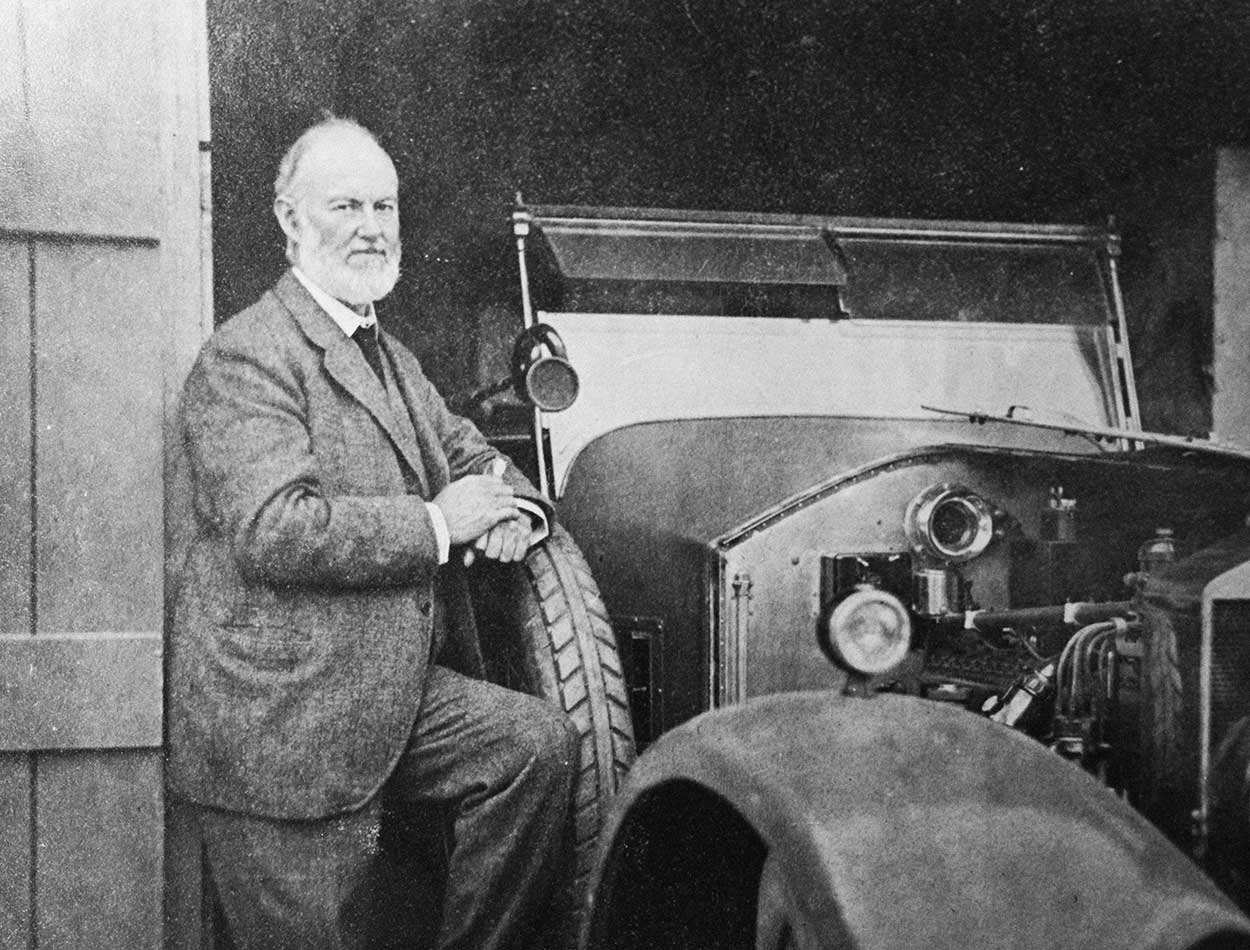
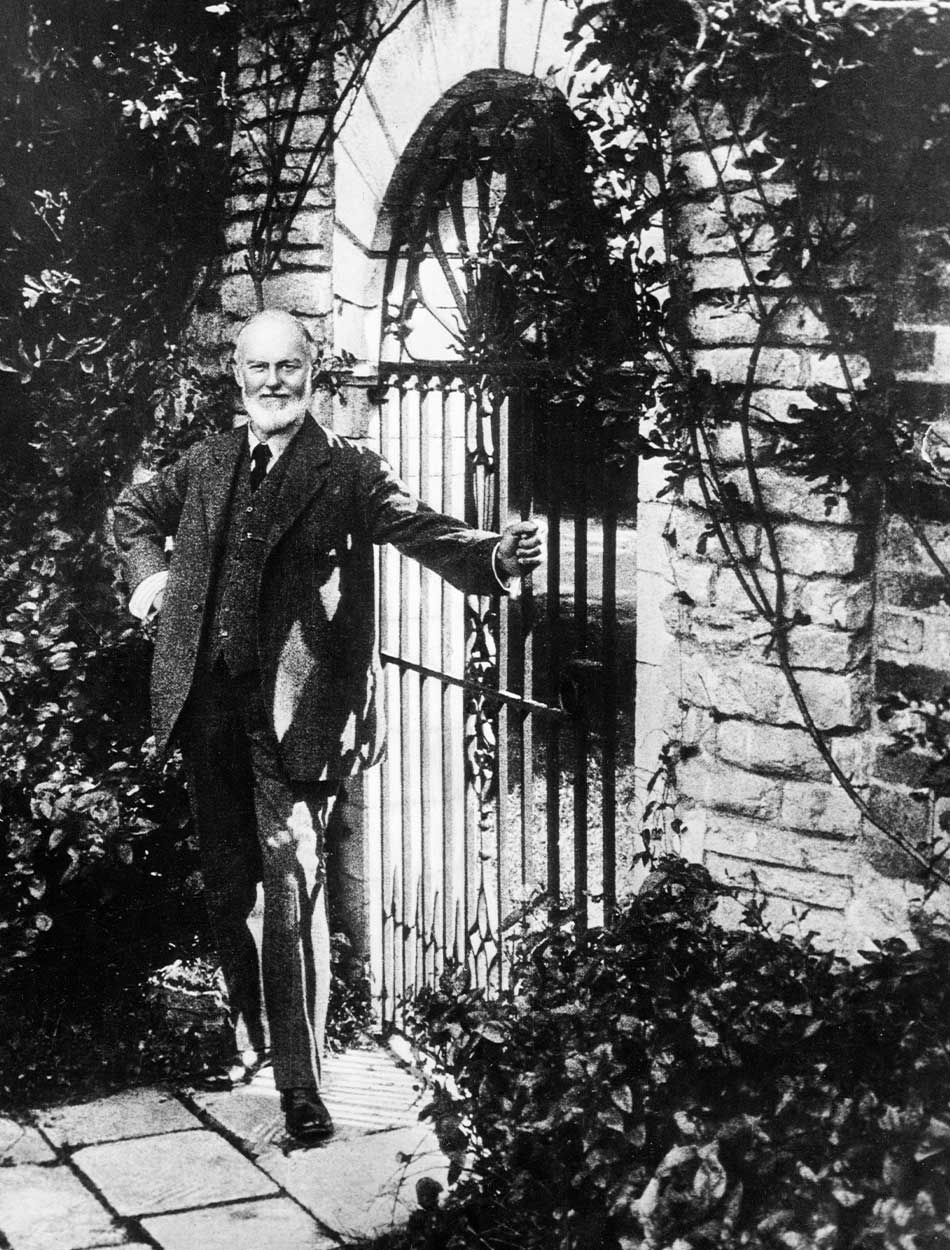
S ir Henry Royce’s uncompromising command, ‘Strive for perfection in everything you do. Take the best that exists and make it better’ is one of the most famous quotations in automotive history. It is also a maxim that rings down the ages, and still inspires and informs the company that bears his name.
What drove Royce's lifelong search for perfection; and how did his relentless, some might say obsessive, desire to improve and refine manifest itself in both his work and domestic spheres?


What drove Royce's lifelong search for perfection; and how did his relentless, some might say obsessive, desire to improve and refine manifest itself in both his work and domestic spheres?
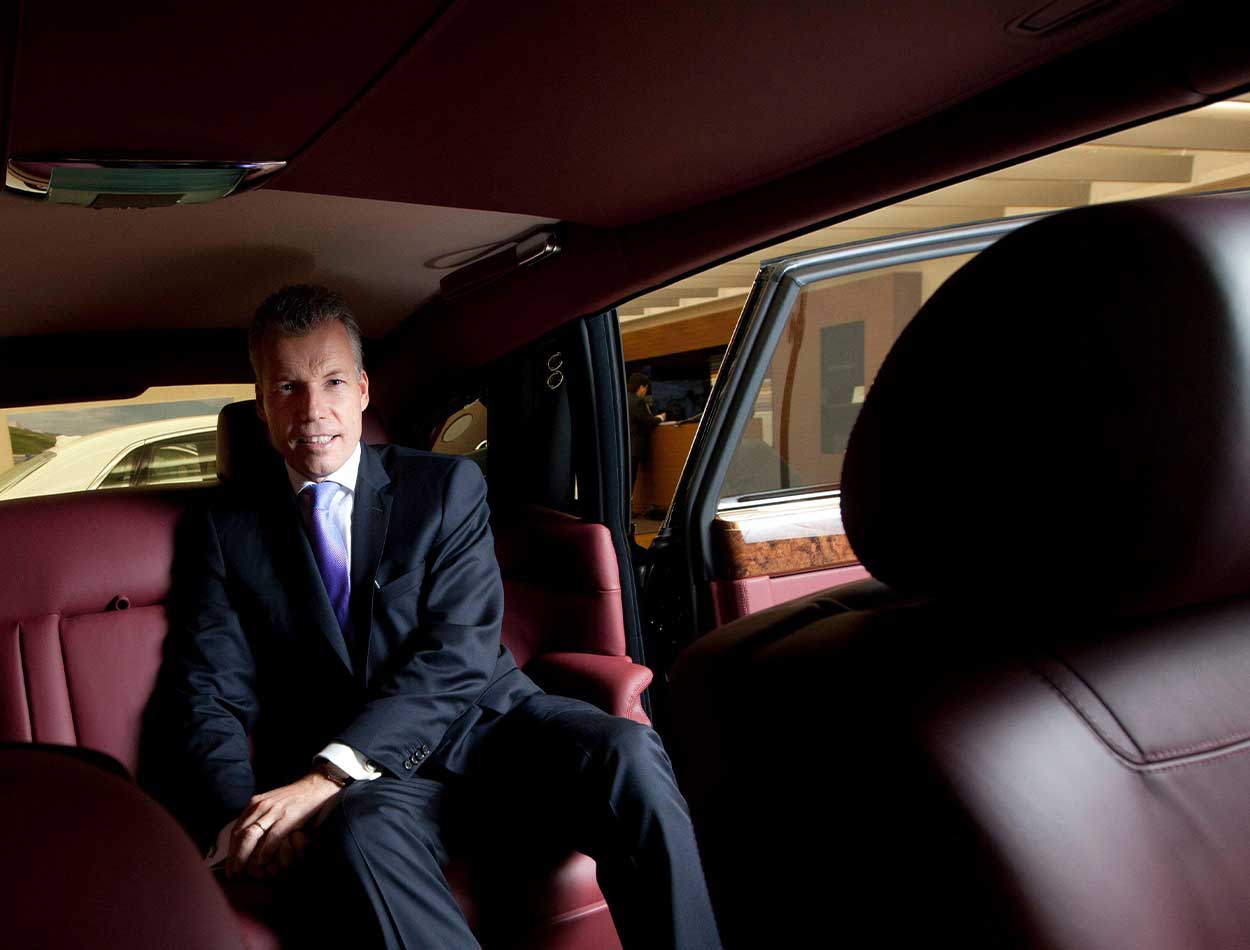
‘Sir Henry Royce bequeathed to the world an extraordinary legacy of engineering innovation and achievement,’ said Torsten Müller-Ötvös, chief executive officer, Rolls-Royce Motor Cars.
‘Sir Henry himself lived out his maxim in every aspect of his personal and professional life. Today, as we mark the 160th anniversary of his birth, his challenge still informs and inspires everything we do.’
Royce’s early life was one of hardship, poverty and disadvantage. The youngest of five children, he was born in 1863 into a family in perilous financial circumstances. Matters worsened considerably when his father, a miller, was finally declared bankrupt and, under the law of the time, ended up in prison.
It was against this unpromising backdrop that Royce’s character was formed. He was determined to make a better life for himself; by the age of just 10 he was working in London, first as a newspaper seller and later as a telegram delivery boy.
‘Strive for perfection in everything you do. Take the best that exists and make it better’ is one of the most famous quotations in automotive history
Things appeared to be moving his way when in 1879, with financial support from his aunt, he secured a coveted apprenticeship at the Great Northern Railway (GNR) workshops in Peterborough. Instantly and obviously in his element, his natural aptitude for design and innate skill with tools and materials quickly became apparent. One early indicator of his talent was a set of three miniature wheelbarrows he made in brass; these pieces clearly demonstrate the exemplary standard of workmanship and quest for excellence he would maintain throughout his life.
Royce’s drive for self-improvement came to an abrupt halt after two years, when his aunt was unable to pay his annual apprenticeship fee. Undaunted, Royce returned to London and, in 1881, began work at the fledgling Electric Lighting & Power Generating Company (EL&PG).
His decision to forsake traditional engineering for the emerging field of electricity was essentially a pragmatic one. Electricity was then so new it had no governing body or professional institutions, and thus no examinations to pass or standards to attain. Unlike in engineering, therefore, Royce’s lack of formal qualifications was no barrier to his progress.


His fascination for the subject, already formidable work ethic and commitment to study (he attended evening classes in English and mathematics after his working day was over) meant that in 1882, the EL&PG, by now renamed the Maxim-Weston Electric Company, sent him to work for its subsidiary in Lancashire as first (chief) electrician, responsible for street and theatre lighting in the city of Liverpool. Yet again, however, circumstances conspired against him: through gross mismanagement in its acquisition of patents, the company abruptly went into receivership and Royce, still aged only 19, found himself unemployed once more.
Although the parent company of his erstwhile employer chose to salvage what it could rather than sell off the remaining resources, Royce had had enough. Impelled by his innate drive, clear appetite for (calculated) risk and the abundant self-assurance noted by his contemporaries, he started up in business on his own.
In late 1884, he founded FH Royce & Co (he was christened Frederick Henry) in Manchester. Initially producing small items such as battery-powered doorbells, the company progressed to making heavy equipment such as overhead cranes and railway shunting capstans.
One early indicator of his talent was a set of three miniature wheelbarrows he made in brass
But while the business was thriving, Royce himself was not. By 1901, his years of overwork and a strained home life were taking a severe toll on his health, which had probably been fundamentally weakened by the privations of his childhood.
His doctor persuaded him to buy a De Dion quadricycle as a way to escape the office and enjoy some fresh air but, before long, Royce’s health collapsed. A major contributing factor was his growing concern that the company was heading into financial problems, something that would perhaps have had particular significance for him given his father’s experiences.
The company owed its dwindling fortunes to an influx of cheap, or at least cheaper, electrical machinery from Germany and the USA that was able to undercut Royce’s prices. Ever the perfectionist, Royce himself was not prepared to enter a race to the bottom or compromise the quality of his products.
Complete rest was required, and he was eventually persuaded to take a 10-week holiday to visit his wife’s family in South Africa. On the voyage home, he read The Automobile – its Construction and Management. The book would change his life and, ultimately, the world.


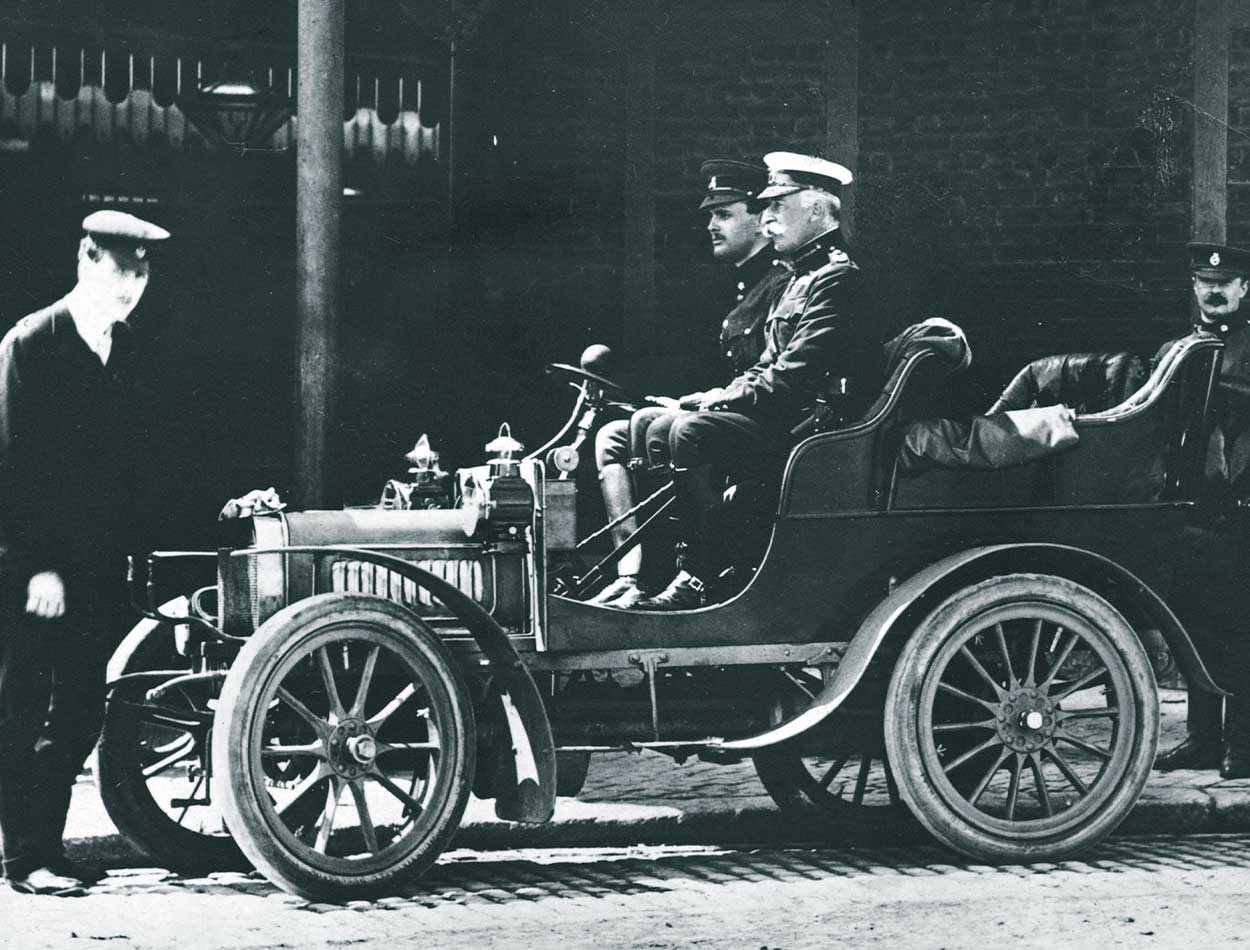
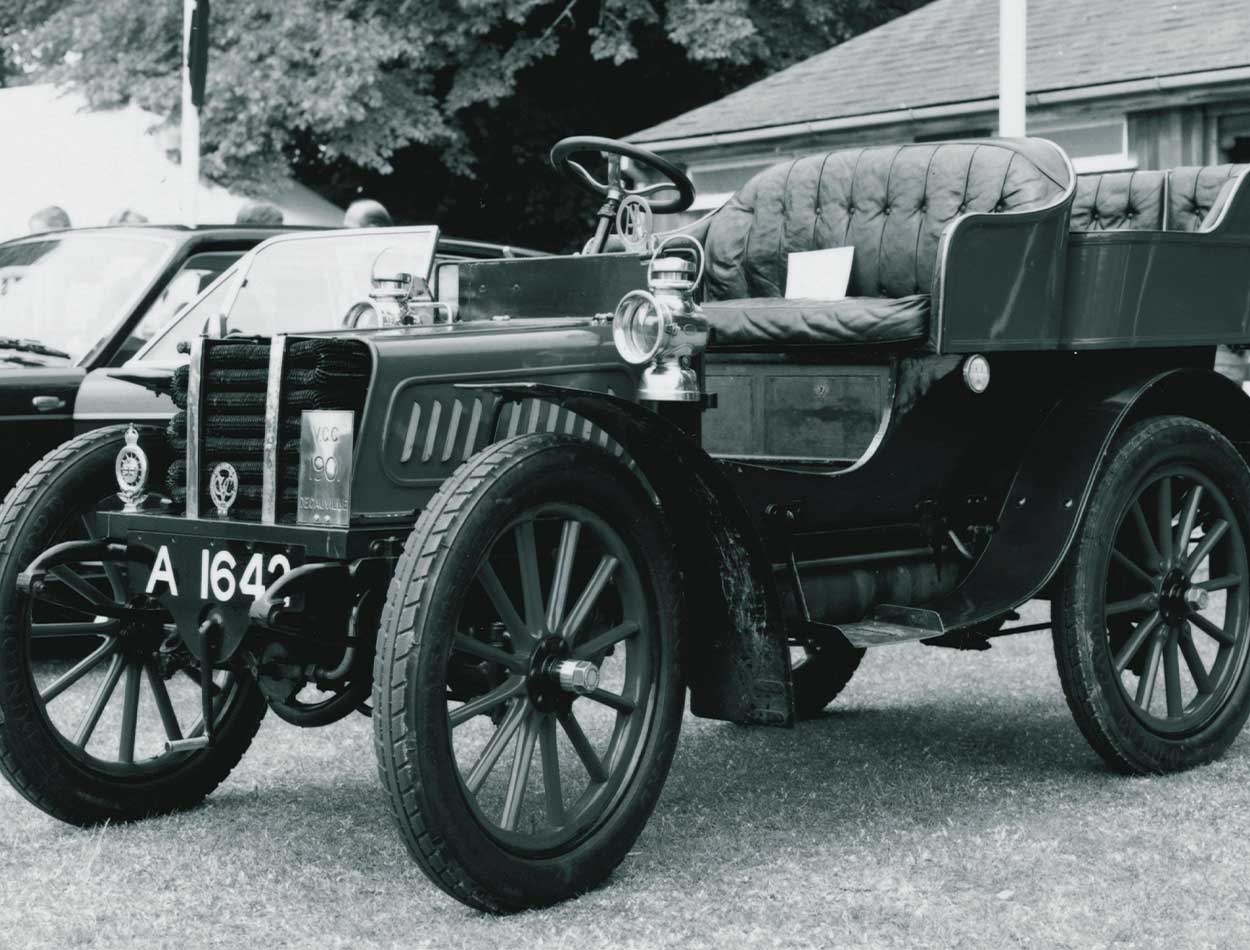
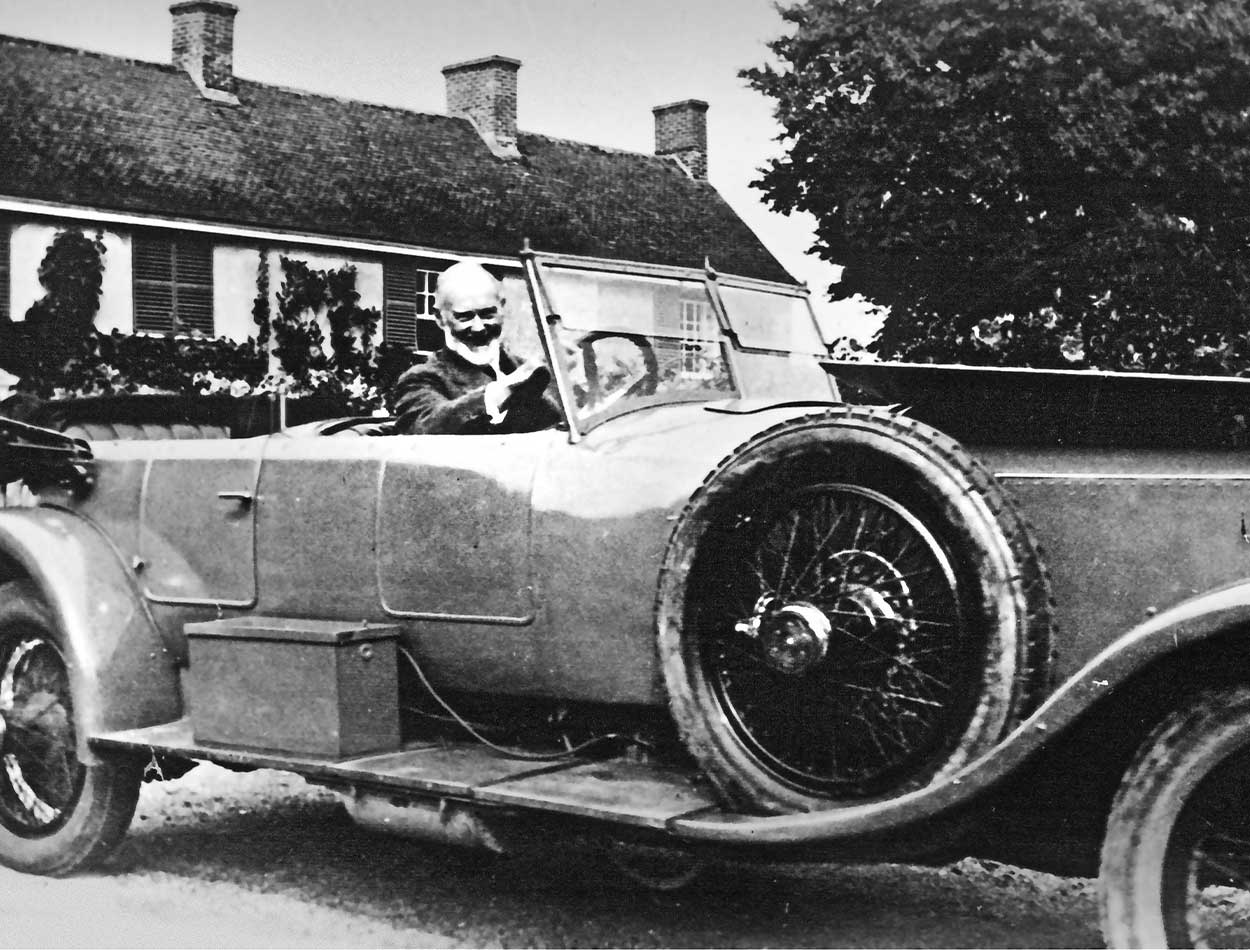
On his return to England, Royce – now fully revitalised both mentally and physically – immediately acquired his first motor car, a 10HP Decauville. Given the still-parlous state of his company’s finances, this might have seemed a frivolous squandering of precious funds but, in fact, this purchase was a shrewd and calculated one that, in his mind, held the key to the company’s future prosperity.
The story usually goes that this first car was so poorly made and unreliable that Royce decided he could do better. In fact, his holiday reading had already focused his mind on producing his own car from scratch; he had already supplied a limited number of electric motors for the ‘Pritchett and Gold’ electric car. So, contrary to the received wisdom, he chose the Decauville precisely because it was the finest car available to him, in order to dismantle it and then, in his most famous phrase, ‘take the best that exists and make it better’.
He began by building three two-cylinder 10HP cars based on the Decauville layout. That he was the only person who believed this new direction could save the company is another sign of his tenacity and self-belief. Just as importantly, his attention to detail in design and manufacture, accompanied by a continuous review of components after analysis, set the production template he would follow until his death.
Contrary to the received wisdom, he chose the Decauville precisely because it was the finest car available

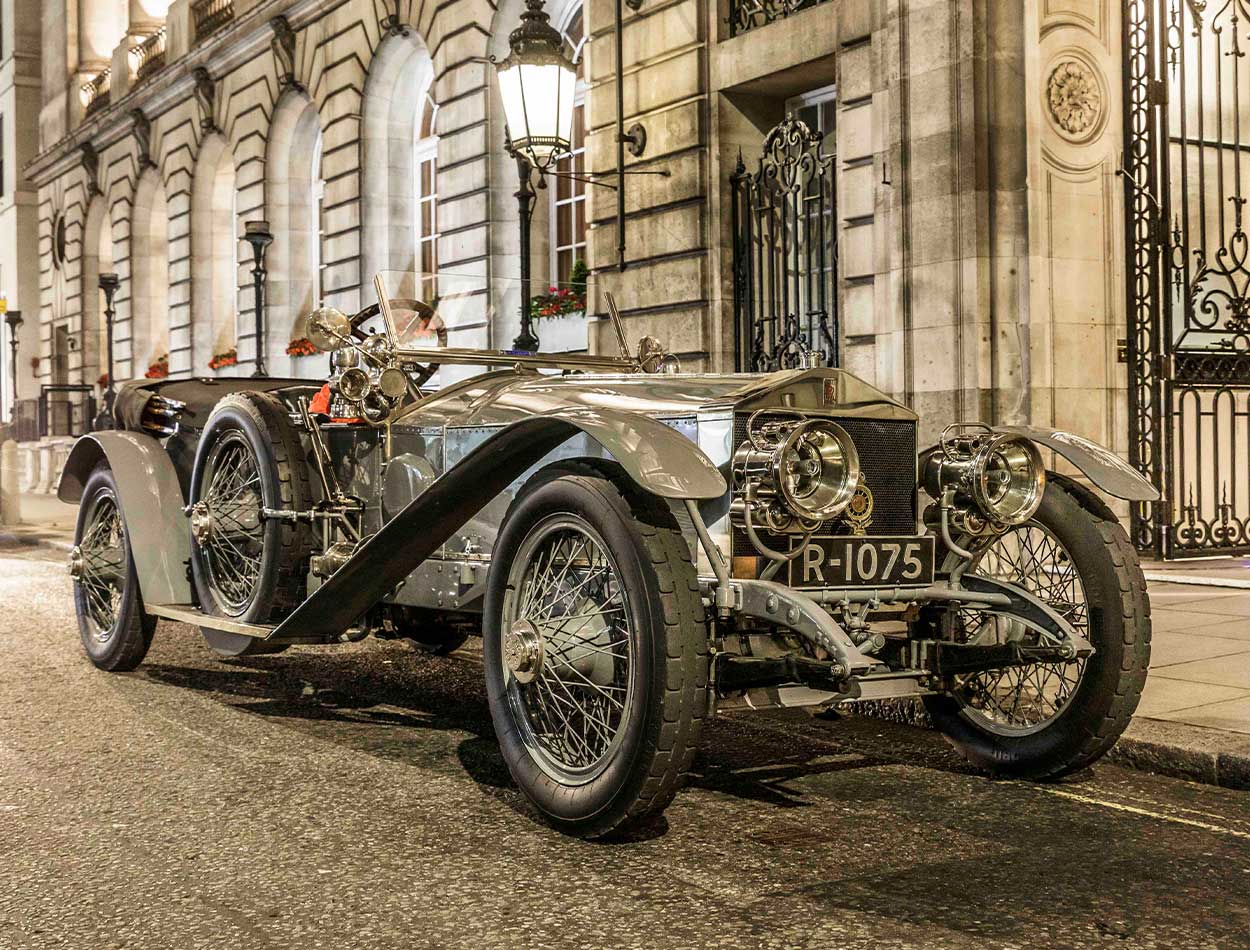
These first examples were followed by the three-cylinder 15HP, four-cylinder 20HP and six-cylinder 30HP – each of which represented significant advances in automotive design. In 1906, two years after the founding of Rolls-Royce, managing director Claude Johnson persuaded Royce to adopt a ‘one model’ policy. In response, Royce designed the 40/50HP ‘Silver Ghost’, the car that rightly earned the immortal soubriquet ‘the best car in the world’.
The Silver Ghost demonstrated Royce’s almost uncanny instinct for using the right materials for components, long before scientific analysis could provide reliable data. He also worked out that the properties of fluids alter with speed, so designed the Silver Ghost’s carburettor with three jets that came into play at different throttle openings, thereby eliminating flat spots in engine performance.
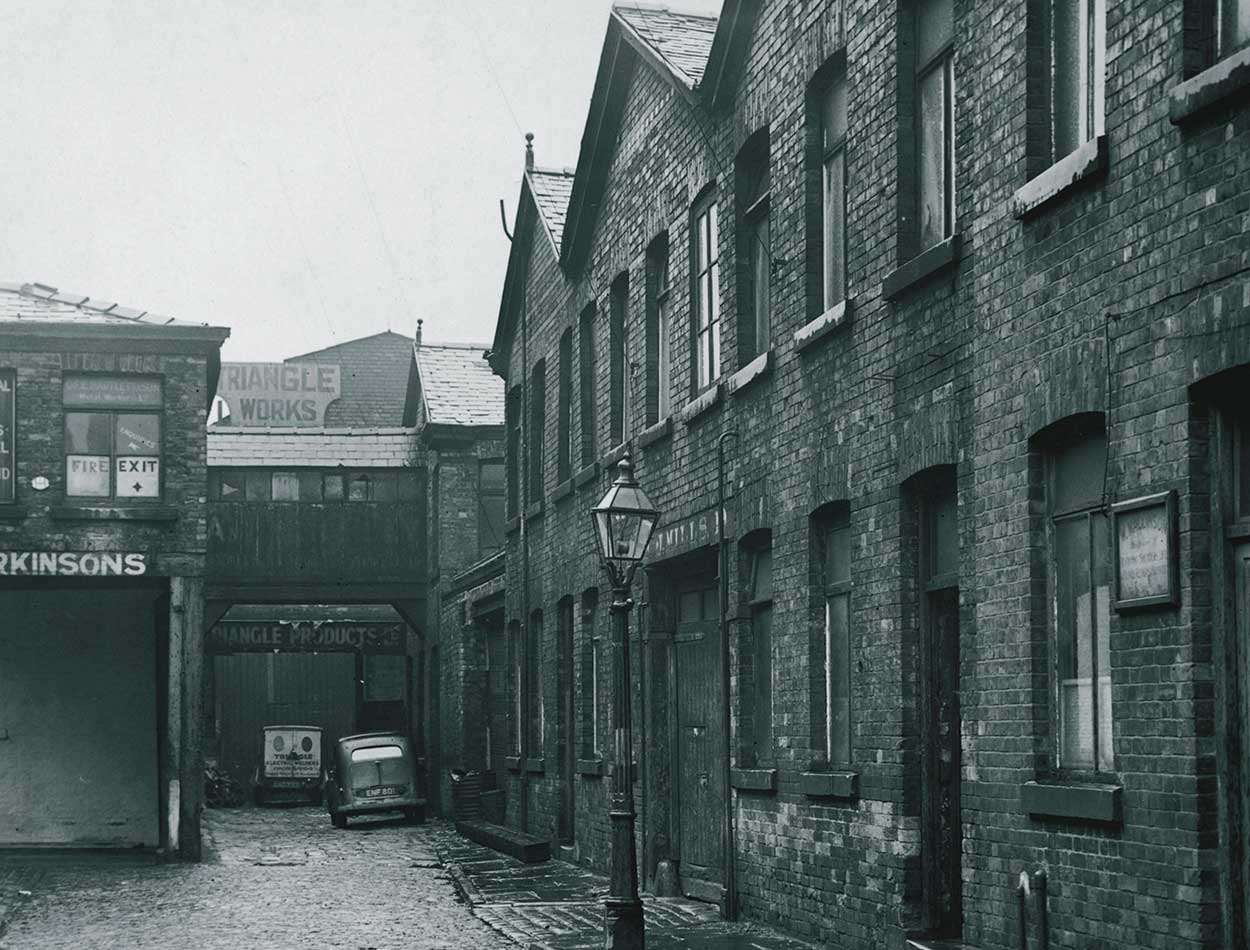
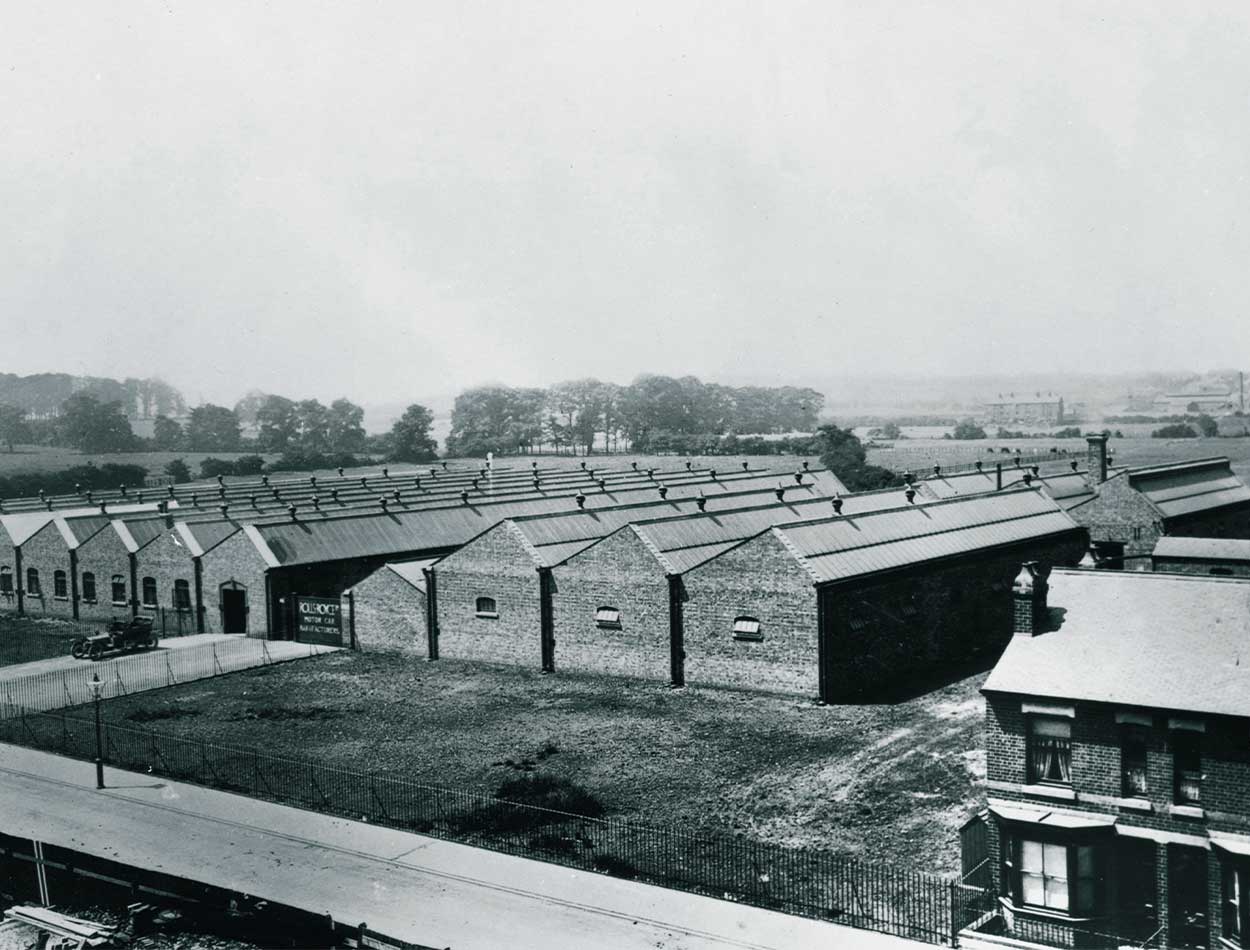
By 1906 it was obvious that Rolls-Royce’s Cooke Street works in Manchester could no longer accommodate the company’s rapidly expanding motor car production.
Rolls-Royce acquired a site on Nightingale Road in Derby, where Royce designed and oversaw the building of a brand-new, purpose-built factory. He undertook this enormous and technically complex task on top of his normal workload, and demanded his customary exacting standards from all concerned, not least himself.
Given the relentless volume and pace of his work, Royce’s second serious health crisis in 1911 came as little surprise. Rest was again prescribed and, during the summer and autumn, Johnson drove him on a road trip that extended as far as Egypt. On the return journey, they stopped in the south of France, where Royce took a strong liking for the tiny hamlet of Le Canadel, near Nice. Ever the man of action, Johnson bought a parcel of land and commissioned a new house for Royce, plus a smaller villa for visiting draughtsmen and assistants. Royce himself naturally took a keen interest in the building work, basing himself in a nearby hotel.

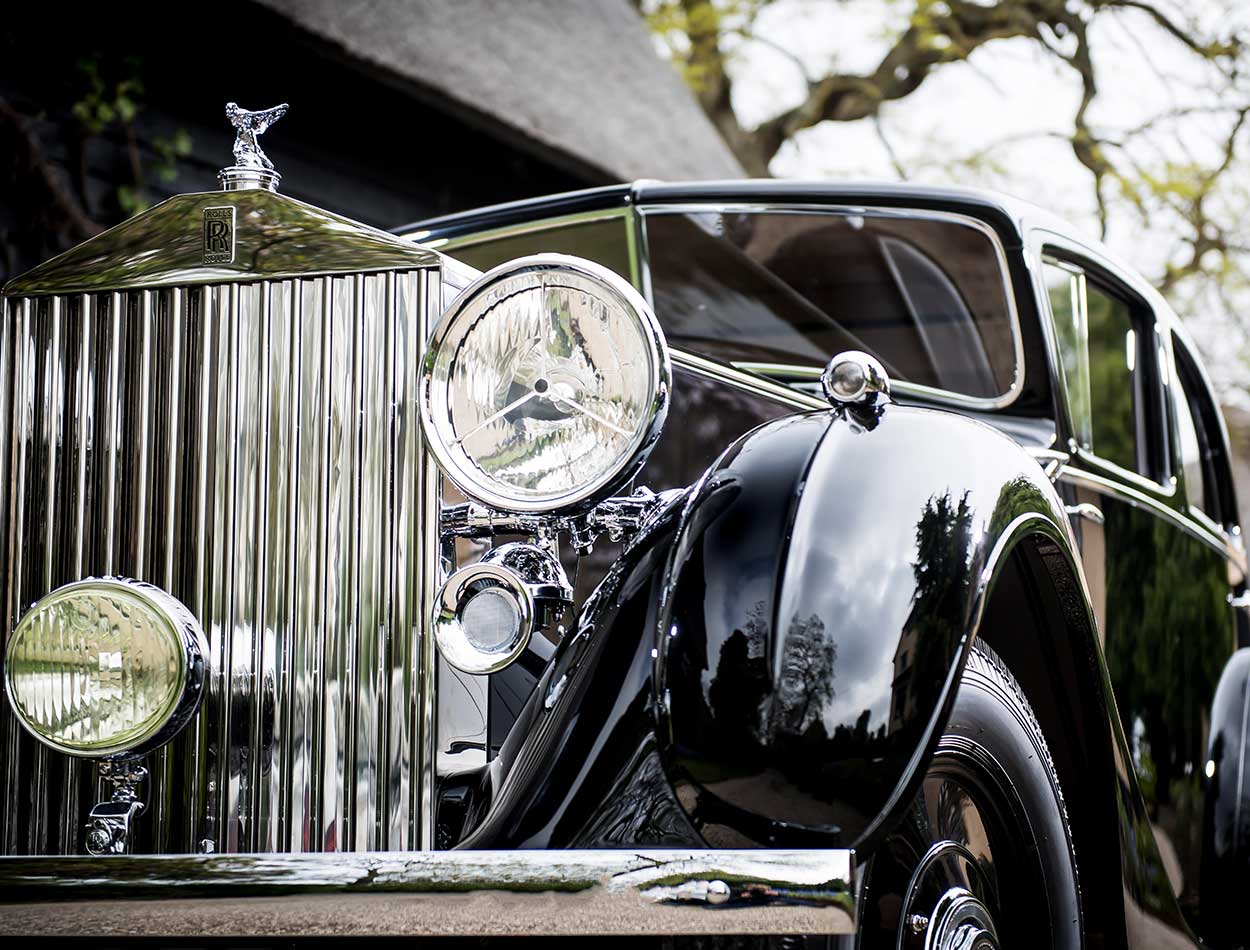
In 1906, two years after the founding of Rolls-Royce, Royce designed the 40/50HP ‘Silver Ghost’, the car that earned the immortal soubriquet ‘the best car in the world’

His health, however, remained fragile. After a relapse which led to emergency surgery in England, he returned to the now-finished house to recuperate. For the rest of life, he (very sensibly) spent his winters at Le Canadel and the summers in the south of England.
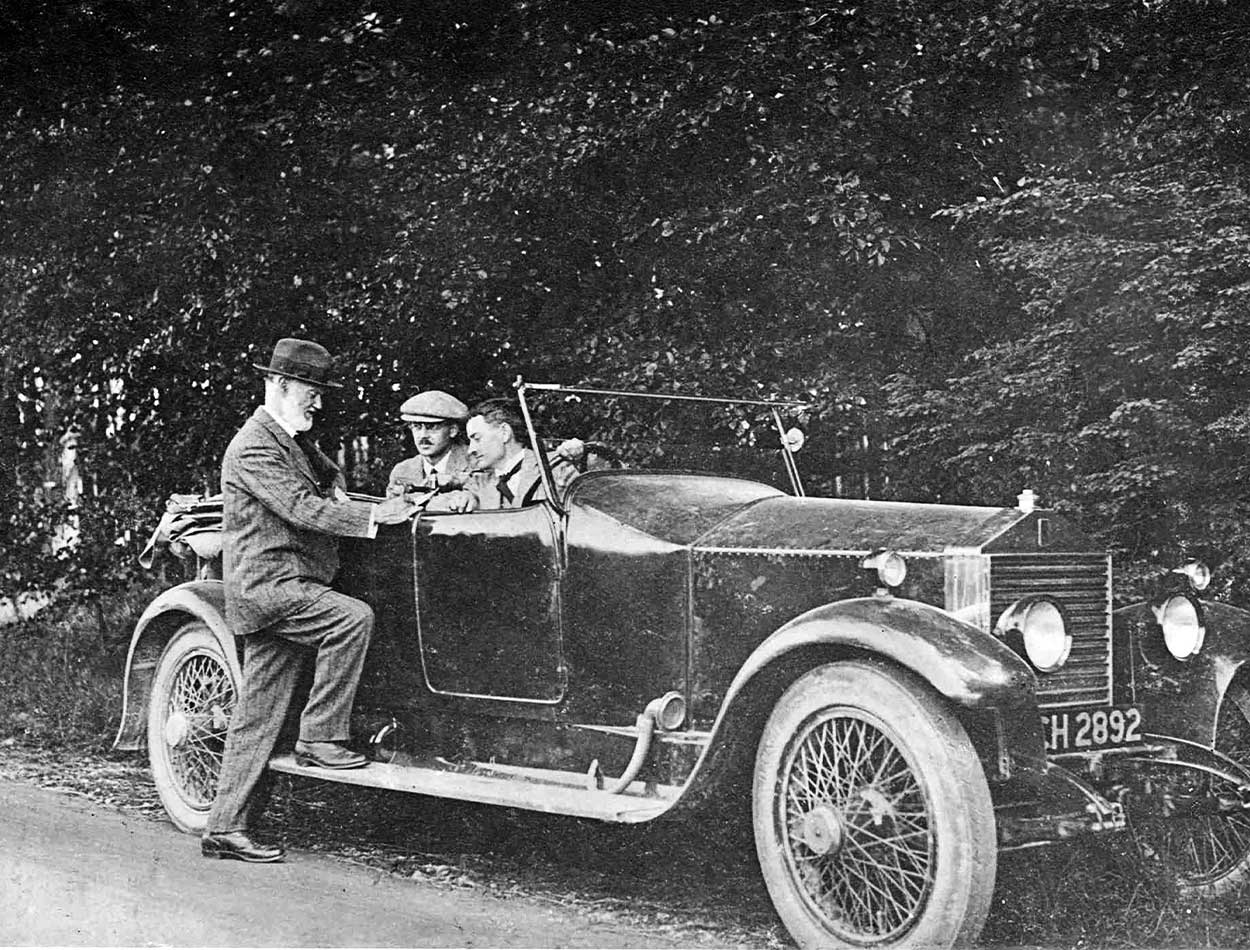
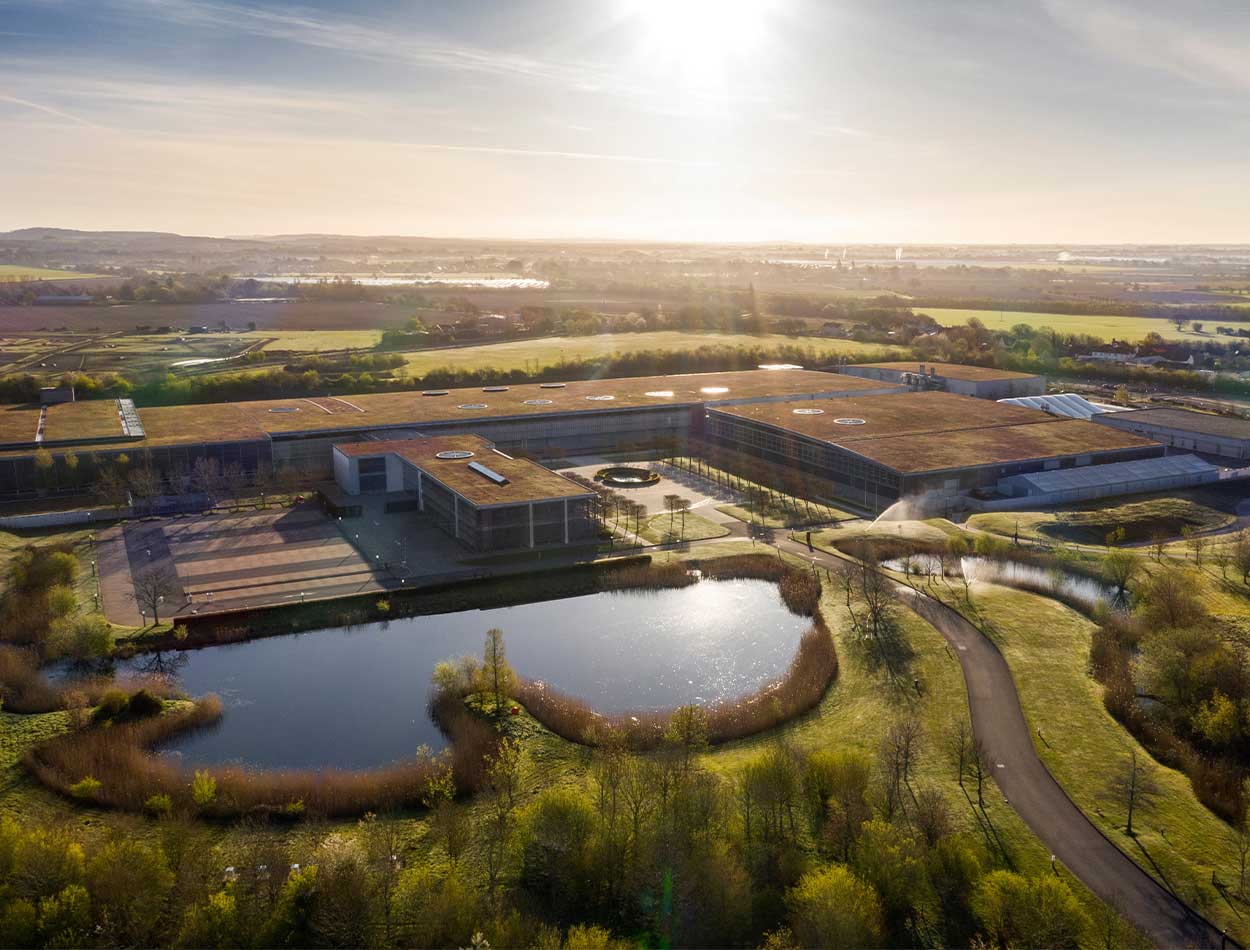
From 1917, his English residence was Elmstead, an 18th-century house in the village of West Wittering on the Sussex coast, just eight miles from the present-day home of Rolls-Royce at Goodwood. Elmstead had some adjoining land, where Royce resumed his long-standing interest in fruit farming. Inevitably, he brought his desire for perfection to this activity, too, and he quickly became a leading expert in many aspects of farming and horticulture.
His domestic life at Elmstead throws further light on his perfectionist nature, which focused his attention on even the smallest actions of others. For example, any aspiring cook would be employed only if they boiled potatoes in the ‘right’ way – just as an unfortunate labourer in the Cooke Street works was once admonished and shown how to use a broom correctly.
Whether he was designing car components or aircraft engines, Royce’s search for perfection never waned; yet even he acknowledged that it was, in fact, unattainable. His mantra for his drawing-office staff was ‘Rub out, alter, improve, refine’, and that process of constant improvement and development led to some of his greatest engineering achievements. Under his direction, the Buzzard aero engine, built in 1927 with an initial output of 825HP, was transformed in just four years into the Schneider Trophy-winning ‘R’ engine that, in its final form, was capable of producing 2,783HP.
An unfortunate labourer in the Cooke Street works was once admonished and shown how to use a broom correctly

His outline design for a V12 engine would appear almost unaltered in the Phantom III of 1936, three years after his death. An instinctive, intuitive engineer, he was a firm believer that if something looked right, it probably was right. His extraordinary ability to assess components by eye alone proved infallible time and time again.
Royce’s tendency to overwork, often at the expense of his own health, was a symptom of his quest for perfection, and a will to achieve it forged in hardship and adversity. He was a highly driven – some might say obsessive – man who overcame many setbacks and misfortunes, and applied his meticulous engineer’s eye, inquisitive mind and relentless work ethic to every aspect of his life.
Such is the power of his ethos and legend, they still inform and inspire the company that bears his name 160 years after his birth. Müller-Ötvös, his 21st-century successor, underlines this: ‘There is always something we can refine, adjust, rework, reinvent or innovate in our pursuit of perfection; and that is what makes our life and work here so exciting.’